Anyone reading about systemic constellations comes across different names: family constellations, Movements of the Soul, spiritual constellations, Movements of the Spirit. Sometimes it seems as if these are different methods. In fact, they are phases in the development of one and the same work, which Bert Hellinger changed and deepened over decades.
Understanding these phases also helps you understand what happens in a workshop today: why the facilitator sometimes says little, why the representatives move on their own, and why a constellation continues to work even after it has ended.
This text draws on the book Soul Codes and shows how the method of systemic constellations developed.
How it all began
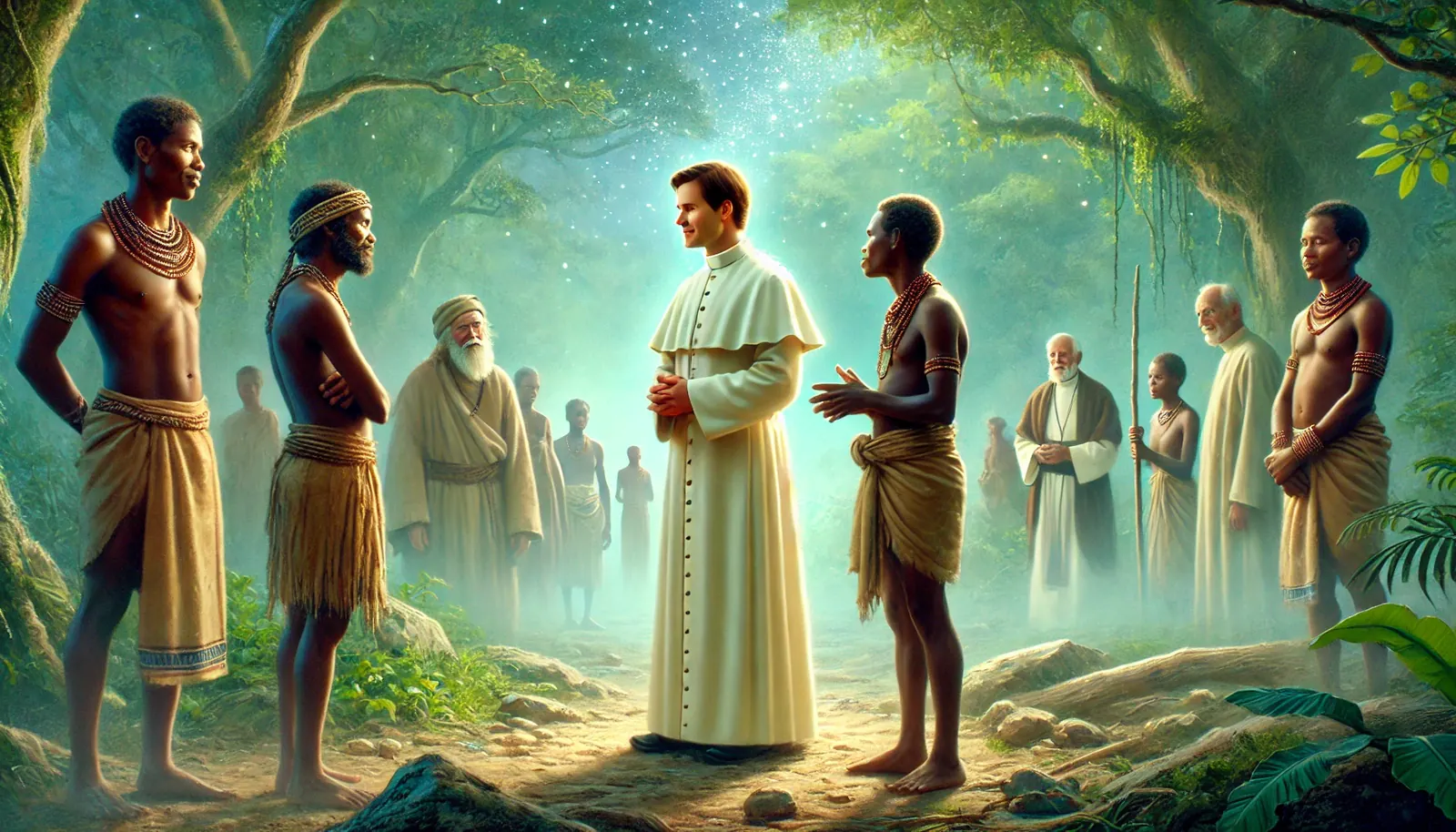
Bert Hellinger, a German therapist, trained in various therapeutic schools, including psychoanalysis, primal therapy and Gestalt psychotherapy. According to the book Soul Codes, his journey towards the method of family constellations began with observing the life of the Zulu people in South Africa, where he was a missionary. There he recognised the importance of energetic bonds and balance within the family system.
Later, combining knowledge from transactional analysis, hypnotherapy and other approaches, he began to develop his method. At its centre were the “family souls”: the unconscious bonds that connect the members of a family across generations.
The first phase: classical family constellations
The first phase lasted from the late 1980s to the early 2000s. The client chose representatives for family members or other important figures, and the facilitator placed them in the space. The representatives intuitively began to feel and express the feelings of the people they represented, which often led to strong emotional breakthroughs and the uncovering of hidden family secrets.
The facilitator moved the representatives until a “good feeling” was reached among everyone, as a sign of resolution. This phase rested on the principles of belonging, the order of love and the inclusion of excluded members. As the book says, the constellation ended when everyone was well.
The second phase: Movements of the Soul
In the early 2000s Hellinger developed the approach known as Movements of the Soul. The book Soul Codes states that this method arose spontaneously at a seminar in Switzerland. Hellinger placed representatives of Holocaust victims opposite the perpetrators, although he had previously excluded perpetrators from the work. The representatives of the victims began spontaneously to open their hearts, with gestures of reconciliation that no one guided.
This moment changed the method. There was less reliance on words and more on the intuitive movement of the representatives through the space. The role of the facilitator changed: from someone who actively directs the process, they became someone who creates a space in which the movements of the soul can unfold. For clients this meant more authenticity, more personal responsibility and less dependence on the facilitator.
The book also describes what this change required of practitioners. Facilitators had to develop deeper intuition and sensitivity to the unspoken currents in the field, to recognise subtle changes in the state of participants and to sense when to intervene and when to let the process run by itself. Empathy and the ability to “read” between the lines became key skills.
“Hellinger showed that the real healing effects happen when people let go of the need to control the outcome and instead allow the ‘spirit’ to guide them.” (from the book Soul Codes)
The third phase: spiritual constellations
From 2006 until the end of his life Hellinger developed spiritual family constellations, which he also called Movements of the Spirit. According to the book, their main features are minimal guidance and intervention, less focus on the details of family history, work with the Great Spirit as a universal field, and a wider framework in which karmic debts and spiritual tasks that go beyond the boundaries of one family are also seen.
Here the difference between the Great Soul and the Great Spirit is important. The Great Soul is the individual, family and collective unconscious, the emotional bonds passed down through generations. The Great Spirit is the universal consciousness that acts through and beyond family systems. In a constellation guided by the Great Spirit it is not a separate representative, but a presence that the facilitator feels and through which they guide the work.
Soul Codes states that the Movement of the Spirit is often considered more advanced than the Movement of the Soul, because it includes wider and more complex dimensions of existence and can lead to faster and deeper transformations. That is why in this phase a certain state of consciousness is also required of the facilitator: connection with the universal field and reliance on intuition, and not merely knowledge of technique.
What this means for you
The book Soul Codes states that constellations guided by the idea of the Great Spirit leave more room for spontaneous movements and may seem less complete in the traditional sense. But they often continue to work on participants long after the formal end of the session.
That is why it is good to come to a constellation without expecting everything to be explained. Some things are understood immediately, and some only days or weeks later. During that time systemic self-inquiry and the practice of presence help, turning what opened in the field into everyday life.